Helping New Foster Care Professionals Build Safe and Trusting Relationships with Children
Discover how we designed an online course for new foster carers that helps them understand the needs behind children's behaviour and build safe, trusting relationships.

The wellbeing of children growing up in foster care depends largely on the adults who are present in their everyday lives. Foster parents and residential caregivers fulfil a role that is both highly professional and deeply human—they provide children with safety, care, boundaries, a sense of belonging, and hope.
To support new professionals entering the foster care sector and help them understand their role in supporting children's development, we designed a self-paced online course, "Introduction to Supporting Children in Foster Care."
The course helps learners develop the knowledge, skills, and mindset needed to support children who have experienced trauma and often have complex life stories. Its goal is not only to teach what to do, but also to help learners understand why children behave the way they do and what they truly need.
Read more about the learning design process, course concept, and the solutions we developed.
🔎 Who was this project for?
Client: Estonian Social Insurance Board – Department of Child Wellbeing
Sector: Social services / Foster care
The challenge: The foster care sector lacked a consistent introductory learning resource that would help newly recruited foster parents and residential caregivers understand the principles of foster care, their professional role, and the needs of children who have experienced trauma.
The aim was to create an online course that would support onboarding before participants attended more extensive face-to-face training and provide a solid foundation for their everyday work.
🛠️ The Learning Solution
The project began with an extensive needs analysis based on interviews, input from service providers, and workshops with an expert group from the field. The findings were further explored and refined using service design methods to identify both learner needs and potential learning solutions.
The research revealed several recurring challenges. New professionals needed greater clarity about their role, a deeper understanding of how trauma influences children's behaviour, and practical tools for building trusting relationships. Another important theme was self-reflection and self-care, as working with children who have experienced trauma can be emotionally demanding.

Rather than building the course around theory alone, we designed the learning journey around one central question:
"What does the child need?"
This question encourages learners to look beyond behaviour and recognise the underlying needs driving it, instead of focusing only on visible problems.
The result was a comprehensive 20–25 academic hour online course consisting of five learning modules designed to support new professionals entering the foster care field.
The five core themes are:
- My role, values, and readiness to work in foster care
- Safe relationships, attachment, and trauma-informed practice
- Building and maintaining relationships with children
- Supporting children's development
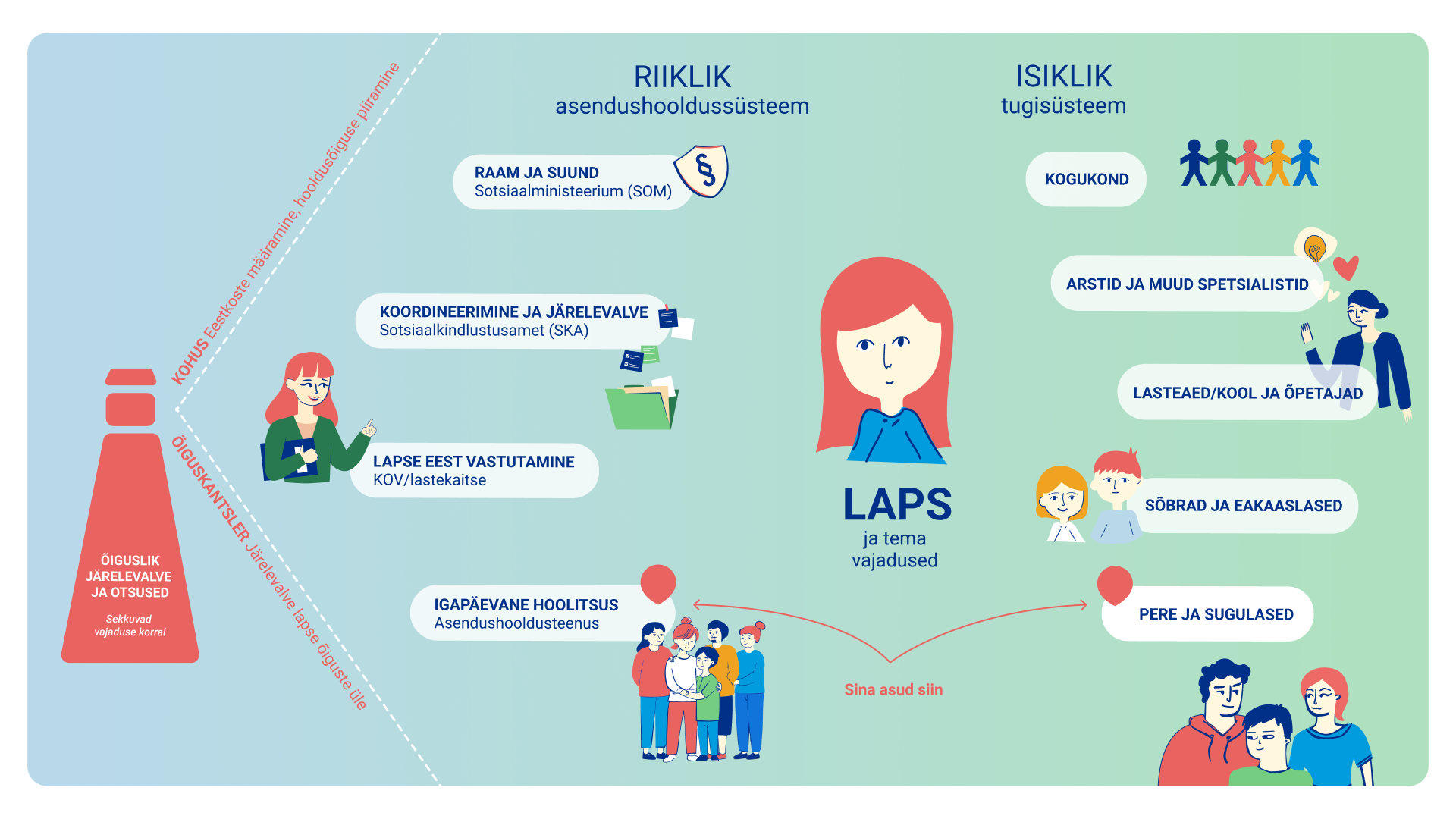
- Collaboration and understanding the foster care system

A key design principle throughout the course is the idea that professionals should learn to notice the need behind the behaviour, rather than reacting only to the behaviour itself.
The course combines theoretical knowledge, self-reflection, and practical exercises. Learners analyse their own values, attitudes, attachment style, and emotional triggers, while considering how their personal experiences influence their relationships with children.
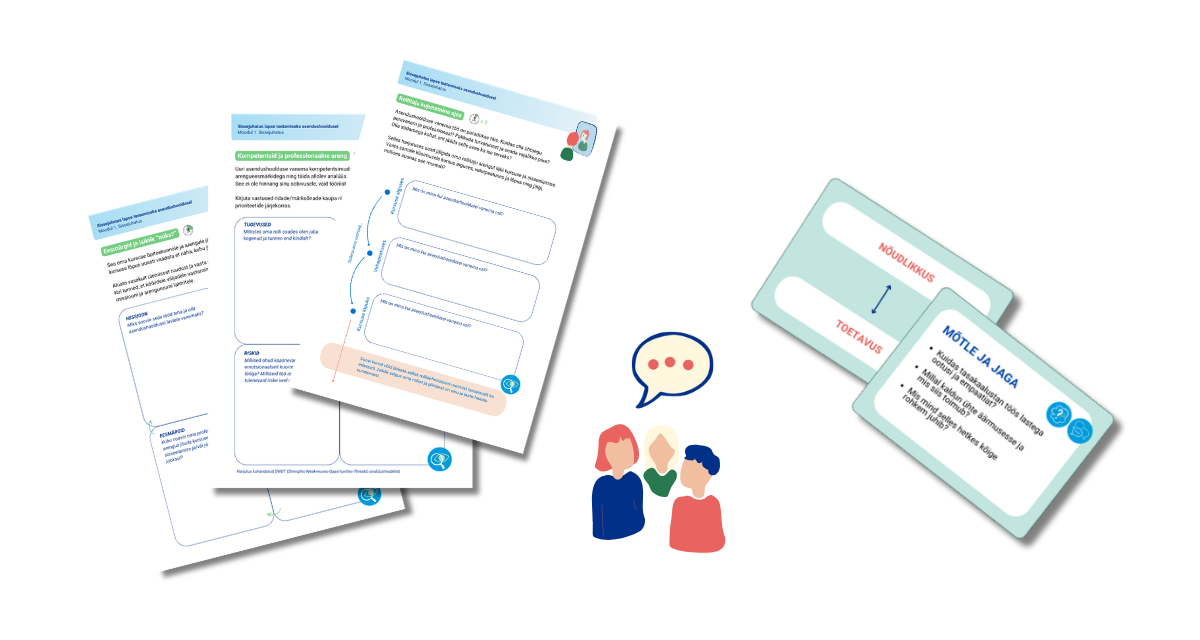
To support this process, the course includes downloadable reflection worksheets. Managers also receive a complementary facilitation toolkit containing discussion cards that explore real-life foster care dilemmas, helping them facilitate meaningful learning conversations where there are rarely simple right or wrong answers.
The communication style of the course was intentionally designed to be supportive, collaborative, and non-judgemental, allowing learners to feel as though they are having a conversation with an experienced colleague rather than listening to a lecture.
The objective was never to provide ready-made answers, but to help learners grow into reflective foster care professionals who can recognise children's needs, understand them, and respond appropriately.

Real-life stories, case studies, authentic experiences from children and foster parents, and practical workplace scenarios play an important role throughout the course, helping learners connect theory with everyday practice.

One of the course's central messages is that professional caregiving is not simply about providing care—it is about continuous learning, reflection, and growing alongside the child.
Every child deserves at least one adult who can change the course of their life. This course aims to help those adults become more confident, better prepared, and more intentional in the important role they play.
📊 Feedback from the Development Process
The course concept received highly positive feedback already during the development phase. Foster care organisations particularly valued its practical focus, the emphasis on professional role clarity, and the integration of self-reflection throughout the learning experience.
Participants also highlighted the importance of addressing trauma-informed practice, attachment, and professional caregiving.
What stakeholders said
"If every new foster parent could complete a course like this before starting work, it would be a huge step forward."
"It's important that the curriculum is built around the competency model for foster parents and residential caregivers. The emphasis on self-reflection and professional role clarity is especially valuable."
"The overall structure is logical and the topics are exactly what is needed."
The final solution supports both newcomers and experienced professionals by helping them reconnect with the meaning of their work while providing practical tools for understanding children's needs more effectively.
Client testimonial
Merle Lust, Estonian Social Insurance Board
"The development of the online course was thoughtfully managed, and the collaboration throughout the project was warm, open, and highly professional. We always had a clear overview of both the planned content and the creative solutions being developed. The team invested considerable effort in understanding our field, demonstrated a deep appreciation of the specific challenges of foster care, and handled complex and sensitive topics with empathy, creativity, and respect. Our feedback was genuinely listened to and incorporated, and whenever necessary we explored alternative solutions together. What we especially appreciated was that the team consistently went beyond the original brief and proposed valuable additions, such as practical tools for managers to support learners throughout the course. The final online course is comprehensive, coherent, and truly supportive."
Thank you!
A heartfelt thank you to everyone who contributed to making this course possible.
Project management and Learning Design: Mindshifters OÜ (Jaanika Siiroja), Õpidisain OÜ (Helina Loor)
Subject Matter Experts: Elise Ojasoo, Ingrid Sindi, Mariann Märtsin, Kati Valma
Audiovisual Production: concept: Marta Pulk, production: Tarvo Tammeoks (Dimension Media OÜ)
Actors: Maarja Jakobson (Guide and Foster Parent), Artur Tammeoks (Boy)
Graphic Design: Grete Siim
Language Editing: Mariliis Sild (Nordely OÜ)
Special thanks to: Guido Tellis, Tatjana Varik, Helja Kaptein, Regina Kari, Kristiina Ansip, Marika Pluum, Meelis Kukk, Andrus Hiiemäe, Kadi Rosenberg, Innar Hunt, Siim Seglinš, Merle Lust, Karen Vapper, Helena Heidemann, küsitlusele vastanud perevanemad ja kõik testijad.
Year: 2026
Interested in creating an online learning experience together? Let's talk: hi@mindshifters.ee